

Digital marketing has become an important part of how businesses reach customers, build trust and compete online. From a professional website and search engine optimization to social media, branding and paid advertising, every digital channel can contribute to business growth when used strategically.
Why Digital Marketing Matters for Businesses
A customer's journey often starts before they contact you. They might search for a nearby provider, compare websites, look at social posts and read reviews. Each encounter helps them decide whether your business understands their needs and is worth considering.
Digital marketing connects these encounters. A useful search result brings someone to a clear service page; a consistent brand helps them recognize you later; a straightforward enquiry process gives them a way to take the next step. The aim is to help the right people make an informed decision.
For example, a local interior design studio could publish project explanations, describe its consultation process and keep its business information accurate across its website and directory profiles. These activities support discovery and trust without relying on a large advertising budget.
Build a Professional Website That Converts

Your website should explain what you offer, who it is for and how to get started. A visually impressive page still needs clear information and a useful next step. Treat a conversion as a meaningful action, such as a qualified enquiry or a booked consultation.
Make the next step easy
- Give each core service a focused page with scope, process and relevant answers.
- Use responsive layouts, readable text and controls that work on a phone.
- Keep navigation predictable and images appropriately sized for fast loading.
- Ask only for information you need in contact forms, and explain what happens after submission.
- Use clear calls to action, such as requesting a quote or discussing a project.
A repair business, for instance, can make its service area and contact details easy to find instead of asking visitors to search through several pages. Explore our website development services for a connected approach to design and functionality.
Improve Search Visibility With SEO
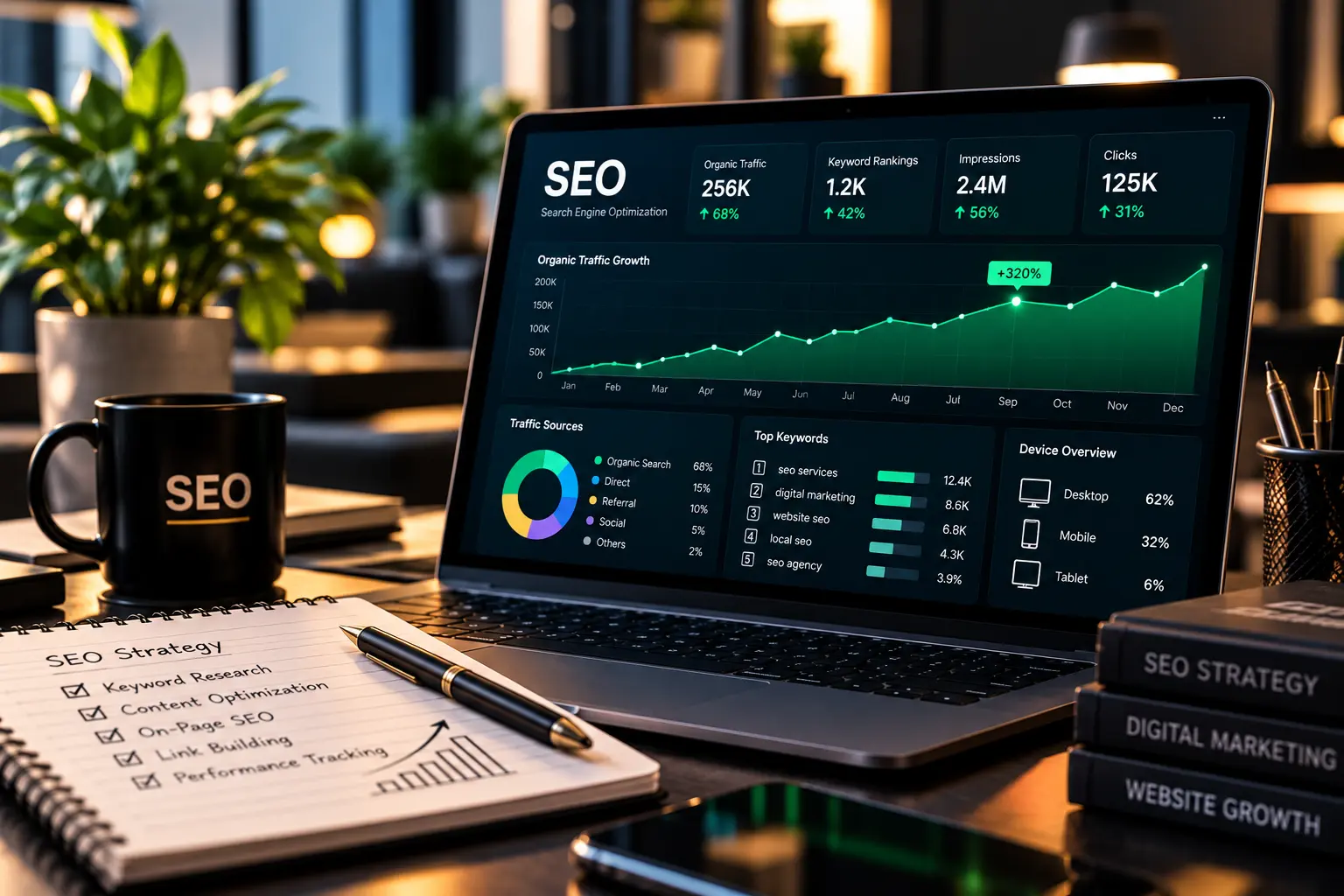
Search engine optimization helps search engines understand your pages and helps people find relevant information. Start with keyword research based on real customer questions, services and locations. Match each page to a clear purpose rather than inserting the same phrase everywhere.
Build a useful search foundation
On-page SEO includes descriptive titles, logical headings, useful copy and internal links. Technical work covers crawl access, mobile usability, page performance and fixing broken pages. Publish content that answers questions accurately and adds something useful beyond a list of keywords.
For a business serving a local area, keep its name, address or service area, contact details and opening hours consistent. Where eligible, maintain an accurate Google Business Profile with appropriate categories and current information. Request honest customer feedback without manufacturing reviews.
Measure relevant search visits and enquiries over time. Rankings vary, and no provider can promise a particular position. Our SEO services focus on improving the foundations that support discoverability.
Build a Recognizable Brand

A recognizable brand gives people a consistent impression across your website, proposals, social profiles and advertising. Your logo is one part of that identity; typography, color, photography, language and the way you describe your value also matter.
Start by defining who you help, the problem you solve and what customers can reasonably expect. Use the same core message across channels, adapted to the context. A friendly local service business might communicate differently from a specialist business consultancy, while both benefit from clarity.
Consistency supports credibility, but trust also depends on accurate information and delivering the experience you describe. A short brand guide can help your team use the same visual assets and tone. See our branding services for identity and communication support.
Reach Customers Through Content and Social Media
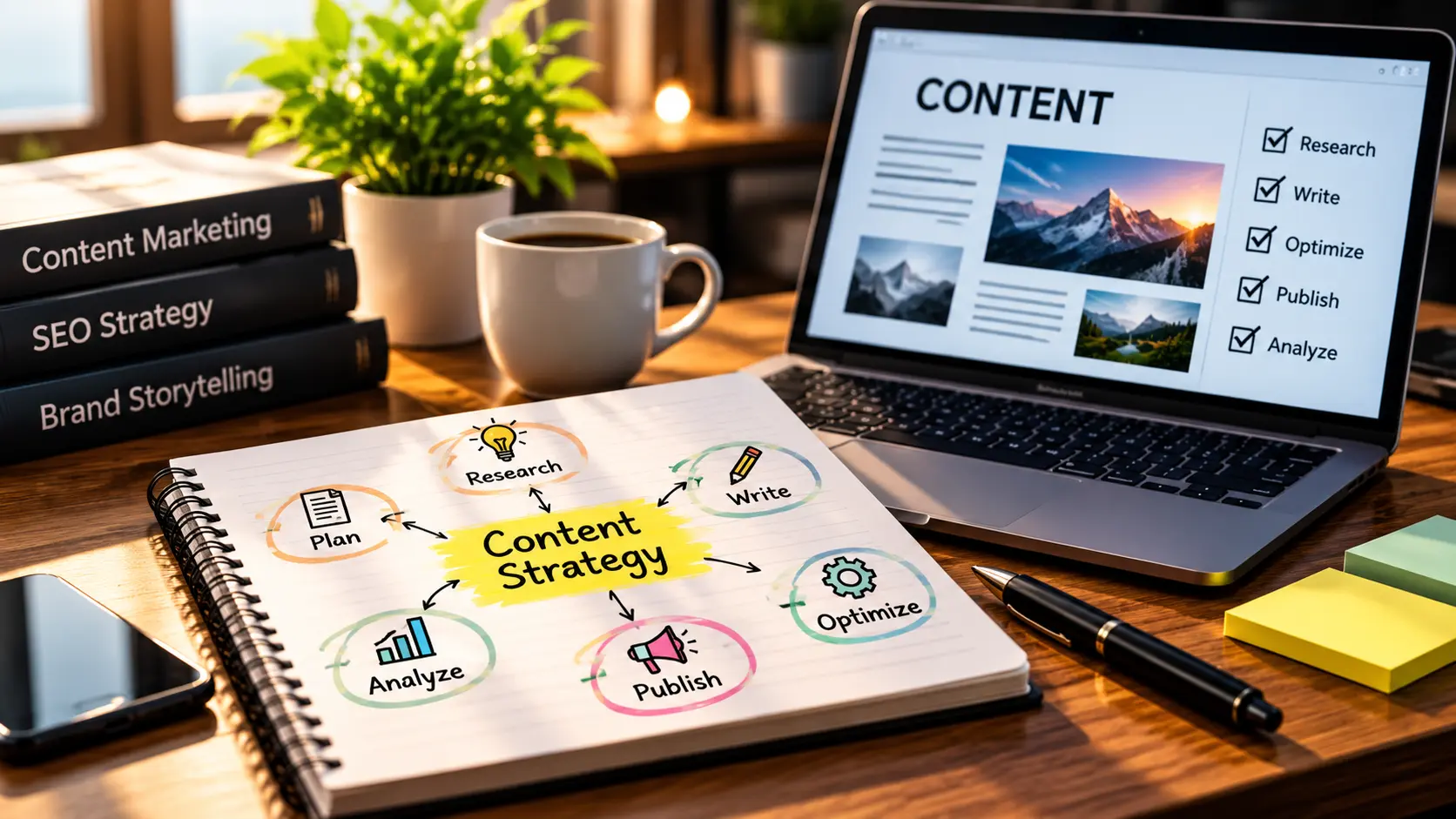
Useful content answers questions people have before buying. Blog articles, service explainers, short videos and practical examples can show how your business works. Choose topics from customer conversations and common objections rather than publishing only because a calendar says it is time.
Social media gives that content another route to the right audience and creates room for conversation. Choose channels based on where your customers spend time and the formats your team can sustain. Consistent, relevant communication is more useful than maintaining several neglected accounts.
- Turn a common customer question into an article and a short visual explanation.
- Share your process with permission, protecting customer and business information.
- Respond to relevant comments and enquiries with clear next steps.
- Link to a useful page when a reader needs more detail.
A small design studio could explain how to prepare for a branding project, then use social posts to introduce each step. Track useful engagement and visits alongside enquiries, rather than judging success only by follower counts. Explore content services to plan communication around audience needs.
Use Paid Advertising Strategically
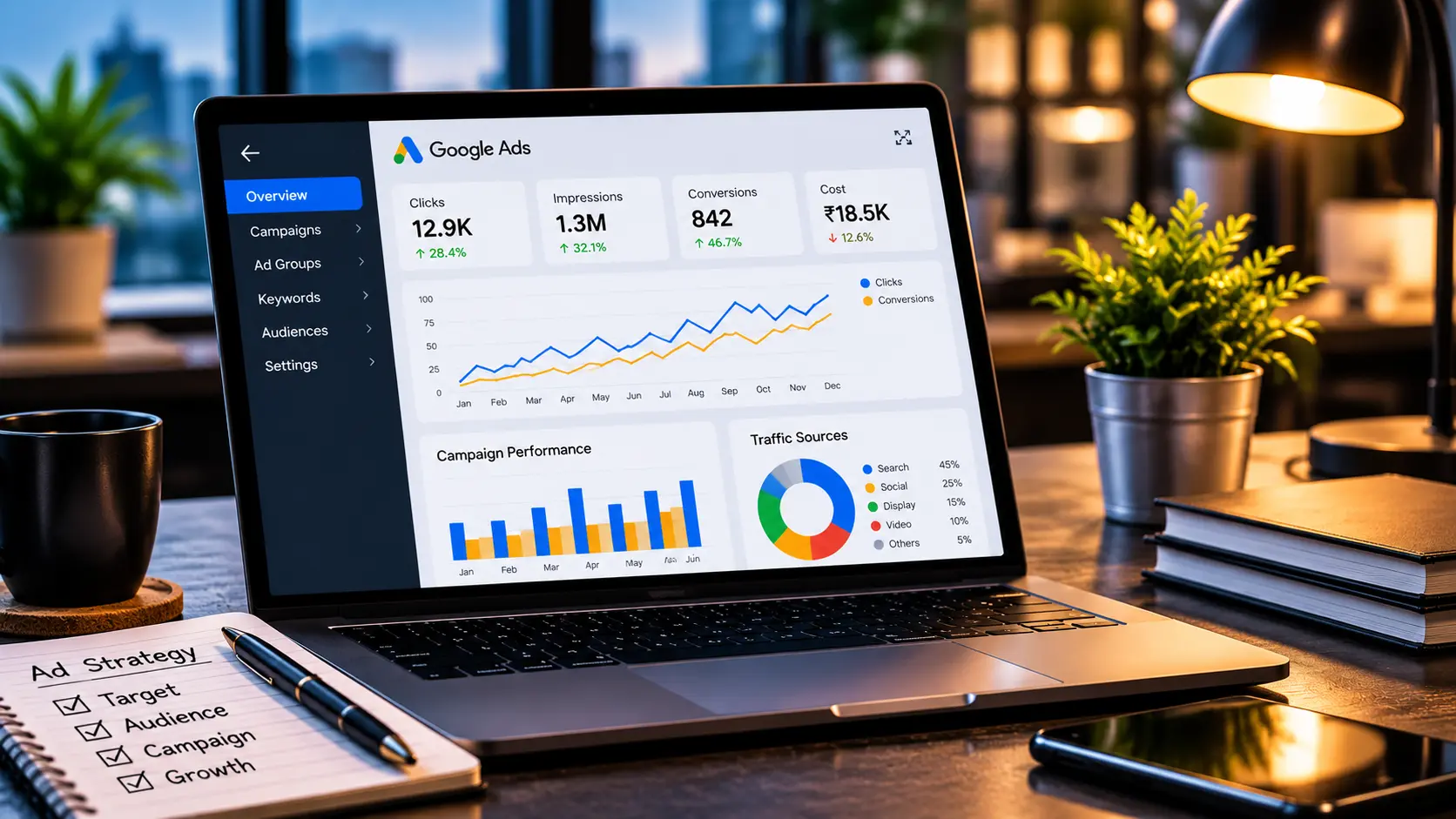
Paid advertising can put an offer in front of a defined audience while organic visibility develops. Search advertising can reach people expressing a need; social advertising can introduce an offer to relevant audiences. The right choice depends on your objective, audience and buying process.
Choose one measurable goal before launching. Send visitors to a landing page that matches the advertisement, explains the offer and makes the next step straightforward. Agree on a budget you can afford to test, and use conversion tracking with appropriate consent and privacy practices.
For example, a training provider could test an enquiry campaign for one course in a defined area. Review the quality of enquiries, cost per useful action and landing-page experience before increasing spend. Avoid treating clicks as proof of business value or assuming advertising guarantees customers.
Our digital advertising services bring campaign planning, creative and measurement into the same process.
Measure Results and Improve Performance

Measurement helps you understand what is working and where the customer journey breaks down. Establish a baseline before making major changes, and compare similar periods while allowing for seasonal demand and changes in your campaigns.
- Website traffic: which relevant sources bring visitors to useful pages?
- Search visibility: which queries and pages attract attention?
- Enquiries: how many contacts match your services and capacity?
- Conversion rate: what proportion of relevant visits results in a defined action?
- Campaign performance: what does each useful action cost, and what happens after it?
Keep a simple record of enquiry sources and outcomes alongside your analytics. Tracking can be incomplete, so use it as evidence rather than a perfect account of every customer. Review the findings regularly and test one meaningful improvement at a time.
Create a Digital Marketing Strategy for 2026
A practical strategy starts with business priorities, not a list of platforms. Use this sequence to decide what deserves attention first:
- Define your objective. Choose a business outcome, such as more suitable consultation enquiries, and document your current baseline.
- Understand your audience. Record their needs, service area, common questions and reasons for choosing a provider.
- Audit your foundations. Check website usability, contact routes, business information, brand consistency and measurement.
- Choose a focused channel mix. Prioritize the channels that fit your audience, resources and buying process.
- Plan useful content. Create a manageable schedule around customer questions and important services.
- Test advertising with limits. Set a budget, a relevant landing page and a clear success measure before spending.
- Review and refine. Assess enquiry quality and performance regularly, document what you learn and adjust your priorities.
For a new local business, the first priority might be a clear website and accurate local presence. An established business with those basics in place may need stronger service content or a focused campaign. The plan should reflect your starting point instead of copying another company's channel mix.
Frequently Asked Questions
What is digital marketing in simple terms?
Digital marketing means using online channels, such as websites, search engines, social media, email and advertising, to help people discover and understand a business and take a useful next step.
Why is digital marketing important for small businesses?
It helps a small business become discoverable, explain its services and stay in touch with relevant customers. A focused plan can make limited resources easier to manage, although outcomes depend on the offer, market and execution.
Which digital marketing strategy is best for a new business?
Start with a clear offer, a usable website and accurate business information. Then choose a small number of channels based on customer needs, location, budget and how people make buying decisions.
How long does SEO take to show results?
SEO usually needs sustained work and observation over several months. Timing depends on your starting point, competition, technical issues and content. Some improvements are noticed sooner, but rankings and traffic are not guaranteed.
Is SEO better than Google Ads?
They serve different purposes. SEO builds organic discoverability over time, while Google Ads buys placements within a controlled budget. A suitable mix depends on your goals, resources and the competitiveness of your market.
Why does a business need a professional website?
A professional website gives customers a reliable place to understand your services, assess your business and contact you. Clear content, mobile usability and straightforward enquiry routes make that experience easier.
How can I measure digital marketing performance?
Define useful actions, establish a baseline and review relevant traffic, search visibility, enquiry quality, conversion rates and campaign costs. Combine analytics with records of what happens after an enquiry.
How can 7 DIGITAL help my business grow?
7 DIGITAL offers website development, SEO, branding, content, design, video, digital marketing and advertising services. Contact the team to discuss your objectives and identify a practical scope and priorities for your business.